Short answer: turning a recorded sales call into a transcript, a summary and a list of follow-ups now costs less than a rupee a minute, and it works in Hindi, Tamil, Kannada and the Hinglish many Indian sales teams actually speak. That means a sales head can know what happened on every call. Until now they'd hear the three they had time for. The hard parts are deciding what to look for and telling customers that calls are recorded.
Many businesses that sell over the phone already record calls, often because their calling tool does it by default. The files pile up, and almost nobody opens them unless there's a complaint. The recordings are sitting there with answers to questions every owner asks: why did that lead go cold, what did we promise on price, which salesperson handles the "too expensive" objection well.
What changed
Two things. Speech-to-text for Indian languages is now built for phone audio, and it got cheap.
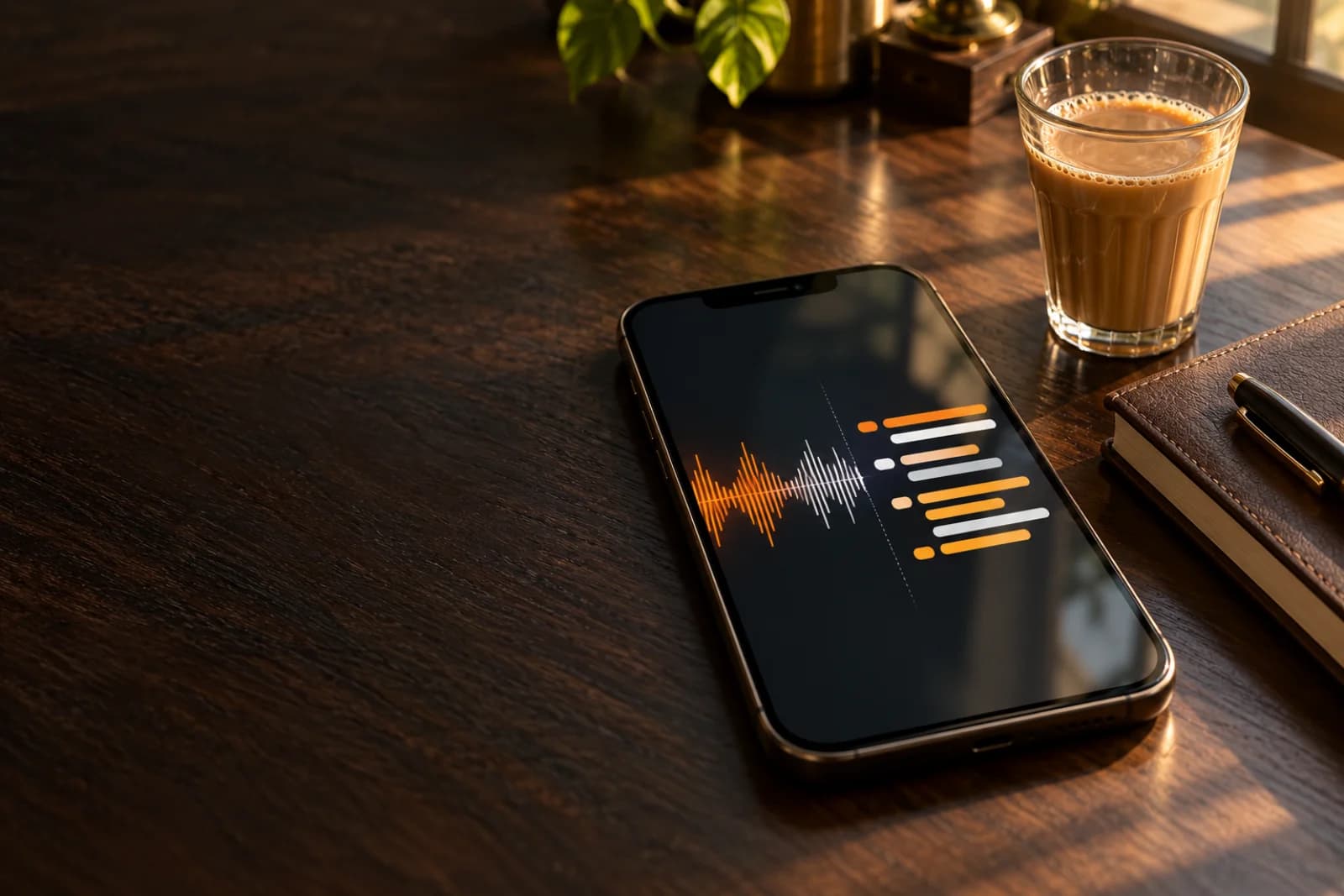
Take Sarvam as one example. Its Saaras models cover 23 languages (22 Indian languages plus English) with automatic language detection. They have a "codemix" output mode for speech that switches languages mid-sentence, and the docs list "call analytics" and "8 kHz telephony audio" as what they're best for. The batch option takes recordings up to two hours long and returns a transcript with speaker labels, so you can tell the salesperson's lines from the customer's.
On Sarvam's price list, pay-as-you-go speech-to-text is ₹0.49 a minute, and batch with speaker labels is ₹0.59 a minute. There's no monthly fee on that plan, and credits don't expire.
Work that through for five salespeople who each spend about two hours a day on calls, five days a week: roughly 12,000 minutes a month. Transcripts with speaker labels come to about ₹7,080. Running them through a language model for summaries adds a little more; at Sarvam's listed rate for its Sarvam 105B model (₹15 per million input tokens and ₹60 per million output tokens), our rough estimate is a few hundred rupees a month at this volume. Other vendors price differently, so compare, but the order of magnitude is the point: a few thousand rupees a month to have every call written up.
What to pull out of each call
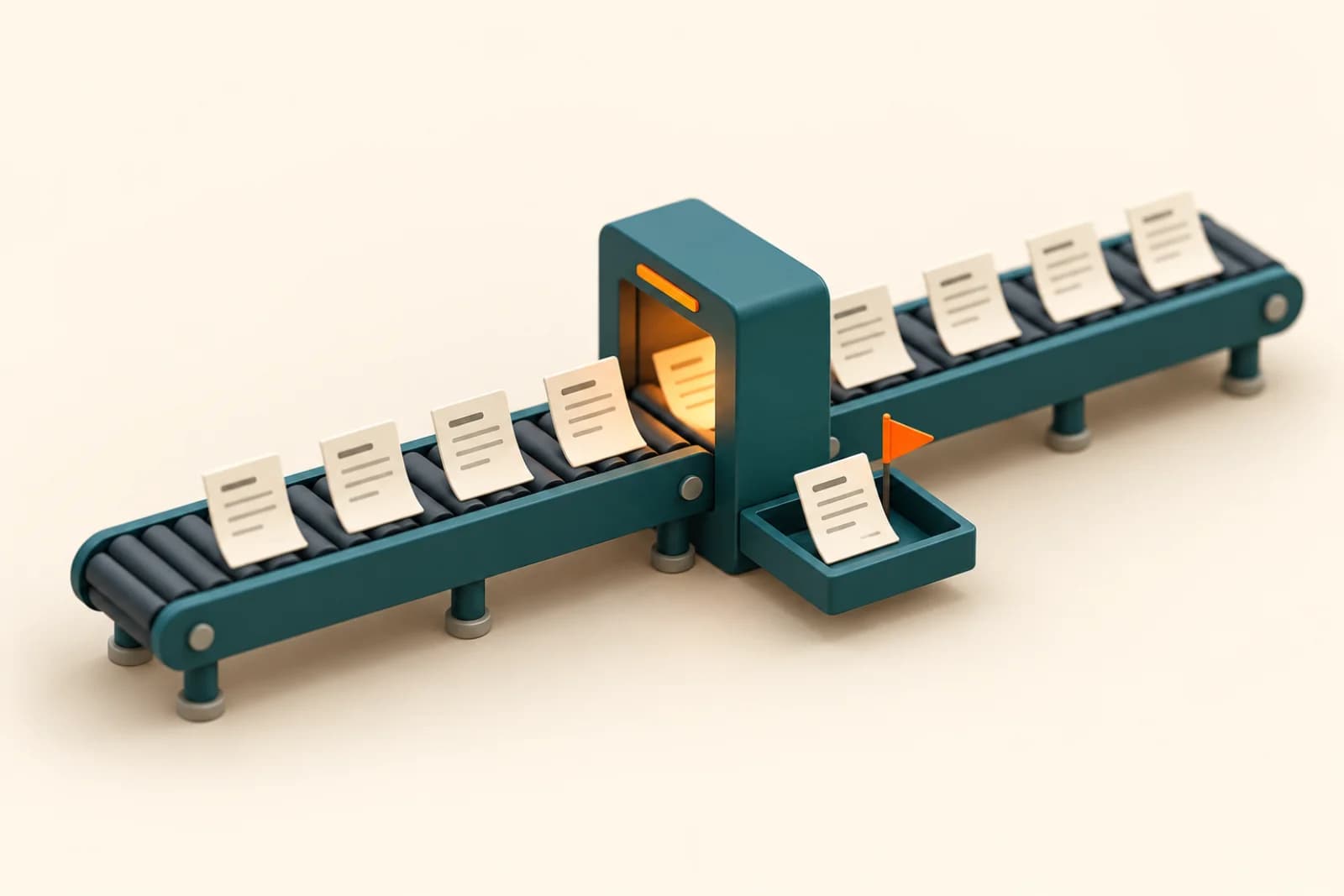
A transcript on its own is just a long document nobody will read. The value comes from asking the same few questions of every call, and putting the answers where people already work, such as the CRM or a daily summary on WhatsApp or email.
Start with four:
- What did the customer ask for, and what did we commit to? Price quoted, discount offered, delivery date promised, documents to send. These become follow-up tasks with a due date.
- Did we ask the basic questions? Budget, timeline, who decides. A simple yes or no per call shows which salespeople skip them.
- What objections came up, and what was said in reply? Over a month this becomes your real objection list, in your customers' own words, along with the answers that worked.
- Does anything need a manager today? An angry customer, a promise outside policy, a competitor named. These get flagged the same day, so nobody finds out from a complaint.
Keep the questions fixed for a few weeks so the answers are comparable. Change one at a time.
Where it goes wrong
The common failure is trusting the summary more than it deserves. A model summarising a noisy call can mishear a number, attach a promise to the wrong person, or state a "next step" nobody agreed to. Names, rupee amounts and dates deserve the most suspicion.
Two cheap habits handle most of it. Link every summary to the recording and the timestamp, so anyone can check a claim in thirty seconds. And each week, have someone listen to a small random sample and mark where the notes were wrong. If the error rate is low and steady, trust it a little more. If it climbs, look at what changed: a new language mix, a new phone line, a new product name the model keeps mangling.
Also keep the AI out of anything customer-facing at first. Let it draft the follow-up message; let the salesperson send it.
The part people skip: telling the customer
A recorded call is personal data, and analysing it with AI is a use you should be upfront about. India's DPDP Rules were notified on 14 November 2025 with an eighteen-month period for phased compliance. Under them, a business must issue a clear, separate consent notice that explains the specific purpose for which personal data is collected and used, and people can ask for their data to be corrected, and in certain situations removed.
In practice: a short line at the start of the call saying it's recorded and reviewed, including with AI tools, for quality and training, the same in your privacy notice, a sensible retention period, and a way to delete a recording when someone asks. Check the details with your own lawyer, and sort it out before the analysis starts, not after.
Where to start
Pick one team and one month of past recordings. Transcribe them, run the four questions, and read the results with the sales head in one sitting. You'll know in an afternoon whether the notes are accurate enough and which question is worth automating first. If it holds up, connect it to new calls as they come in.
The bigger shift is for the manager. Coaching stops depending on which calls they happened to hear and starts with what's actually being said across the team. Our sales pipeline automation page has more on wiring call notes into the CRM.
Arthat AI
Working on something similar at your company?
Arthat AI builds these automations for Indian businesses every week. If you want to talk through whether this fits your situation, we'll give you a straight answer — even if the answer is "don't build it."