Short answer: AI assistants are starting to enquire, book and buy on behalf of people, and big businesses are splitting on whether to let them. Walmart has opened a door for approved agents with spending limits; Amazon and United Airlines are shutting them out. The agent orders reported so far are small, so an Indian business has time, but it should decide on purpose rather than let a website setting decide for it.
Who is letting agents in, and who isn't
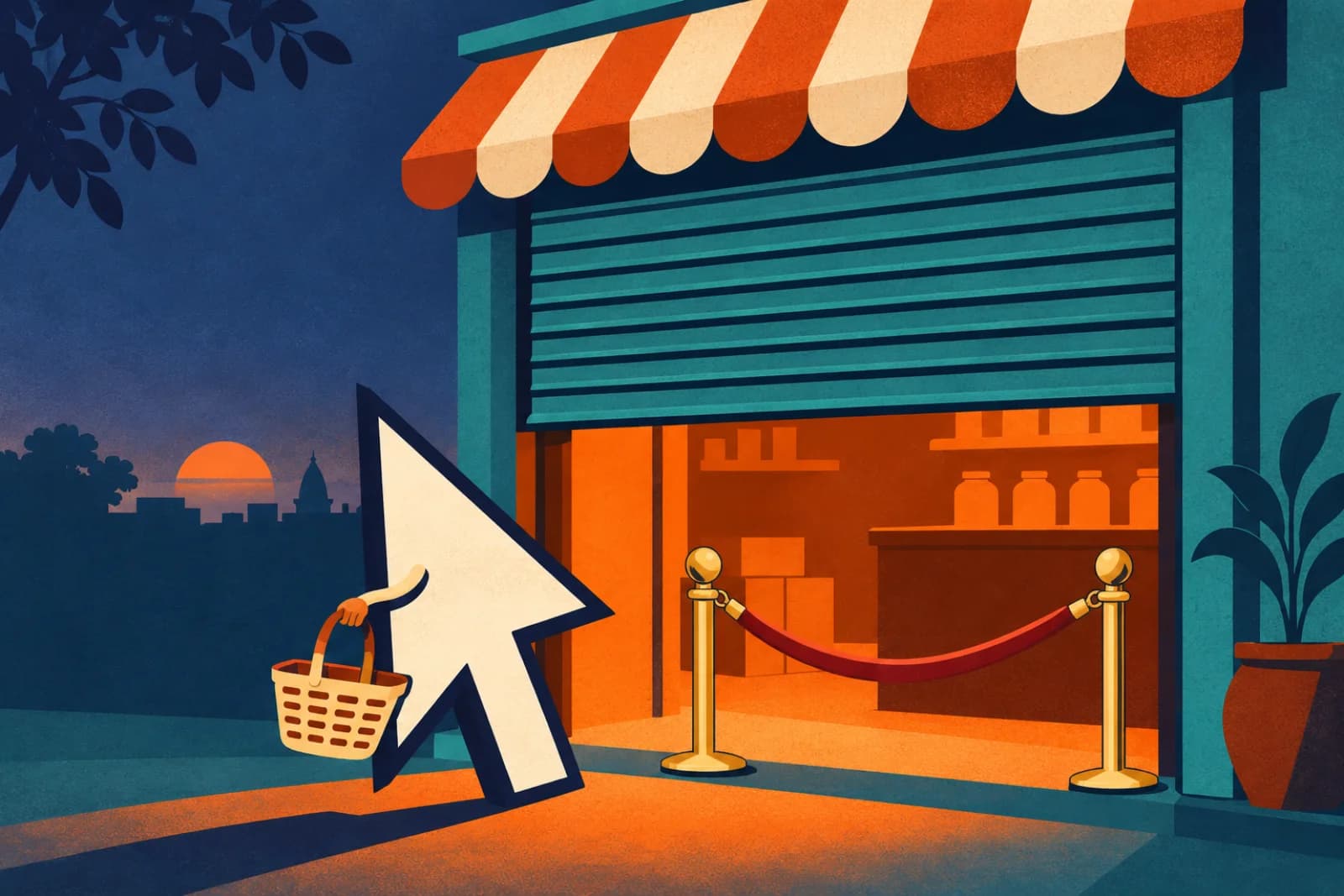
Walmart said yes, with rules. On 21 October 2026 Walmart launched an Agent Gateway that lets approved AI agents search its stock and buy for a customer. Its Agent Profiles, due to roll out in November, give each agent its own profile in the customer's account. The customer can approve every order or set a spending limit. Walmart also published terms for agents: they can't see payment details, they can only take actions the shopper intends, and Walmart's normal returns apply even when an agent gets it wrong. Agents that break the terms get blocked.
Amazon said no. It blocked Meta's Muse assistant from its store in September, saying Muse's access would break the conditions of use its customers agree to. On its October earnings call Andy Jassy said few customers buy through outside shopping agents because the experience is "still not great, nor more convenient than coming to a retailer directly". Fortune points out that agents skip the ads shoppers would otherwise see on Amazon, though Jassy said outside agents were not the cause of its weaker ad results last quarter. Amazon also has its own shopping agent, Alexa for shopping, that it wants customers to use.
United Airlines said no too. On 11 November, citing regulatory and consumer-safety concerns, it said it is moving to restrict "unauthorized, third-party personal AI agents or assistants" on its own digital platforms, and through travel agencies and aggregators. One reason it gave: customers sharing their account credentials with an agent can expose sensitive information.
OpenAI is building the buyer's side. ChatGPT's new Wallet, launched on 13 November for a limited number of US ChatGPT Pro subscribers, lets its agents help decide what to buy and complete the purchase. The person still reviews the items, the total and the card, then approves with a security check such as Face ID or a fingerprint. The card is charged with a payment token, so neither the agent nor the merchant sees the card details.
The order numbers are still small
The hype runs well ahead of the orders. DoorDash CEO Tony Xu said on its October earnings call that third-party agents had placed "maybe several hundred orders in total". TechCrunch notes that DoorDash's 2025 report put its average at 3 million deliveries a day.
Interest is real, though. Mark Zuckerberg said more than 10 million people in the US and Canada had set up Muse, that more than a quarter of them use it to shop, and that the average purchase tops $200 (as reported by Fortune, linked above).
In India, Business Today reported in February 2026 that NPCI and Anthropic were testing a pilot that lets people order groceries and food through the Claude app and pay by UPI, according to NPCI executive director Sohini Rajola. So as of February, the payment rail Indian customers use every day was being tested with agents too.
What this means for a business that isn't Walmart
Most Indian businesses won't build an agent gateway. The decision that matters is smaller: when an assistant turns up on your website or WhatsApp asking about price and availability, or trying to book a slot, does it get an answer?
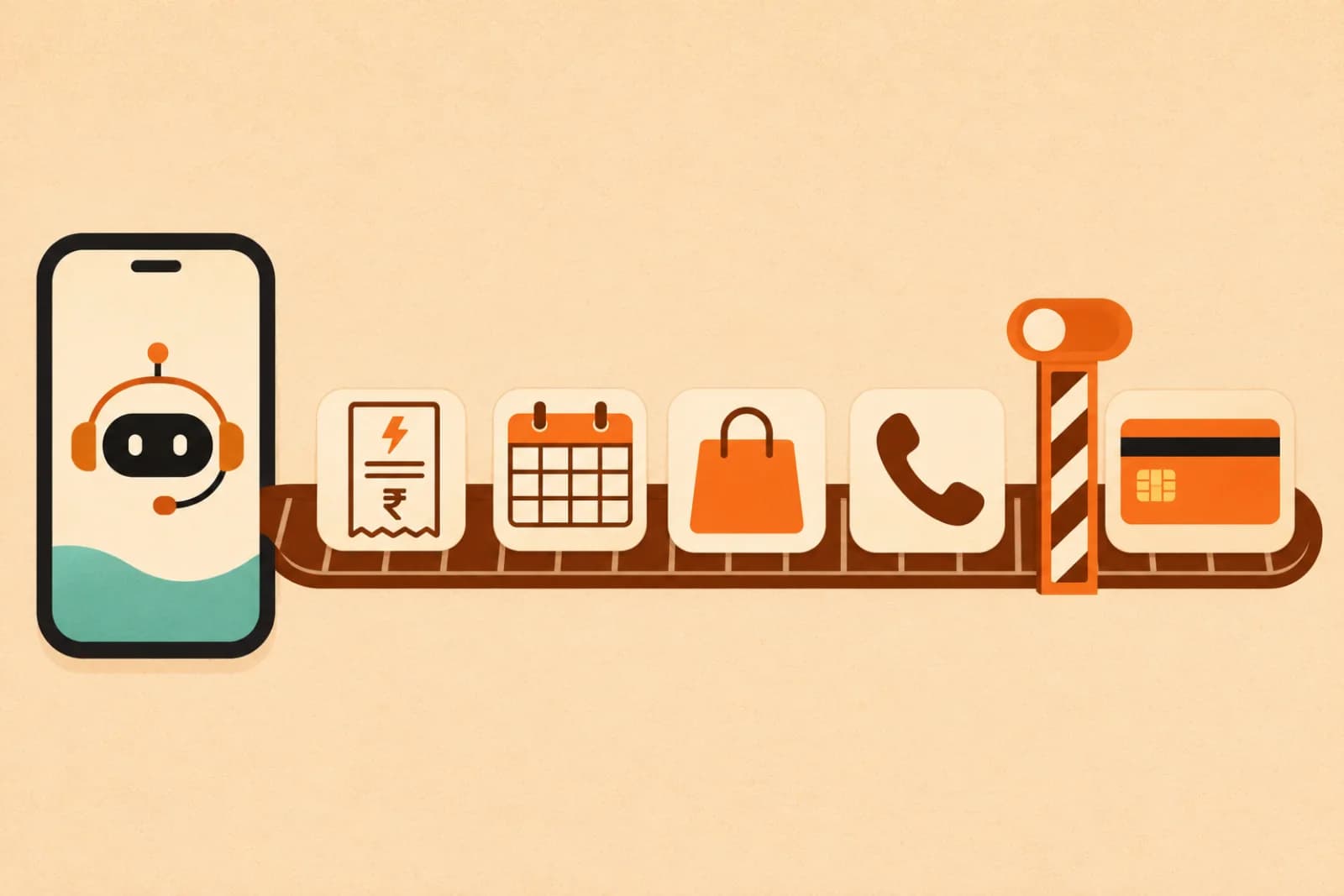
Look at how the companies that let agents in do it. Agents may look things up, but anything that spends money needs the person to confirm it, or stays within a limit the person set in advance. That split works for a clinic, a showroom or a B2B distributor just as well as a retailer.
The risk today is a quiet one: your site's bot protection may already be making the choice. If your site runs behind Cloudflare, its dashboard now has a setting called AI Crawler and Agent access policies with a separate action for "Agent" traffic, meaning bots acting in real time for a person. Its documentation says new domains allow agents by default, and lets owners choose actions for the top personal agents one by one. Older sites, or sites on other providers, may be set differently. Many owners have never looked.
A short check for this month
- Find out what your website does with agents today. Ask your web person to check the bot or firewall settings and tell you, in one line, whether an AI assistant can read your product, price and booking pages.
- Write down which actions an agent may take. Reading prices, stock and opening hours is low risk. Placing an order, booking a paid slot or changing an account should need the customer's own confirmation.
- Never ask customers to hand their login to an agent. That's the exact risk United named. If you take agent orders, give them their own route and mark them so your team can spot them.
- Decide your returns and refund line now. Walmart chose to honour returns when an agent misfires. Pick your rule before the first disputed order arrives.
- Keep prices, stock and hours as plain text. A price list that only exists as an image or a PDF is hard for an assistant to read correctly.
If you're already tidying what AI assistants say about you, this is the next step after how AI assistants choose which companies to recommend: first they recommend you, then they try to buy.
Where this is heading
OpenAI plans to add spending limits and pre-approved purchase categories to its Wallet, and Walmart's agent profiles are due to come with spending limits. Once limits are normal, more agents will be allowed to buy without a person tapping "confirm" each time. Businesses that decided their rules early will be able to say yes to those orders. Those that didn't will find out from a confused customer, or not at all.
Arthat AI
Working on something similar at your company?
Arthat AI builds these automations for Indian businesses every week. If you want to talk through whether this fits your situation, we'll give you a straight answer — even if the answer is "don't build it."